Bedding & Textile Care
Coyuchi’s Recycled Cotton: How Brushed Weaves Shape Everyday Comfort
A blanket can make a room feel more inviting in seconds. In Coyuchi’s Full Circle design, recycled and organically grown cotton meet a brushed finish, bringing together a tactile surface, subtle color variation and practical everyday appeal. Here’s what those details mean for comfort, care and long-term use.
There’s a particular pleasure in reaching for a blanket that feels soft without seeming precious. It might live at the foot of the bed, fold over the arm of a sofa or become the familiar layer pulled close during a quiet evening. Everyday textiles have to do more than look good: they should feel welcoming, work with the rhythms of a home and hold up to regular use. That balance is central to understanding Coyuchi’s recycled cotton bedding and the brushed weave used in its Full Circle blanket.
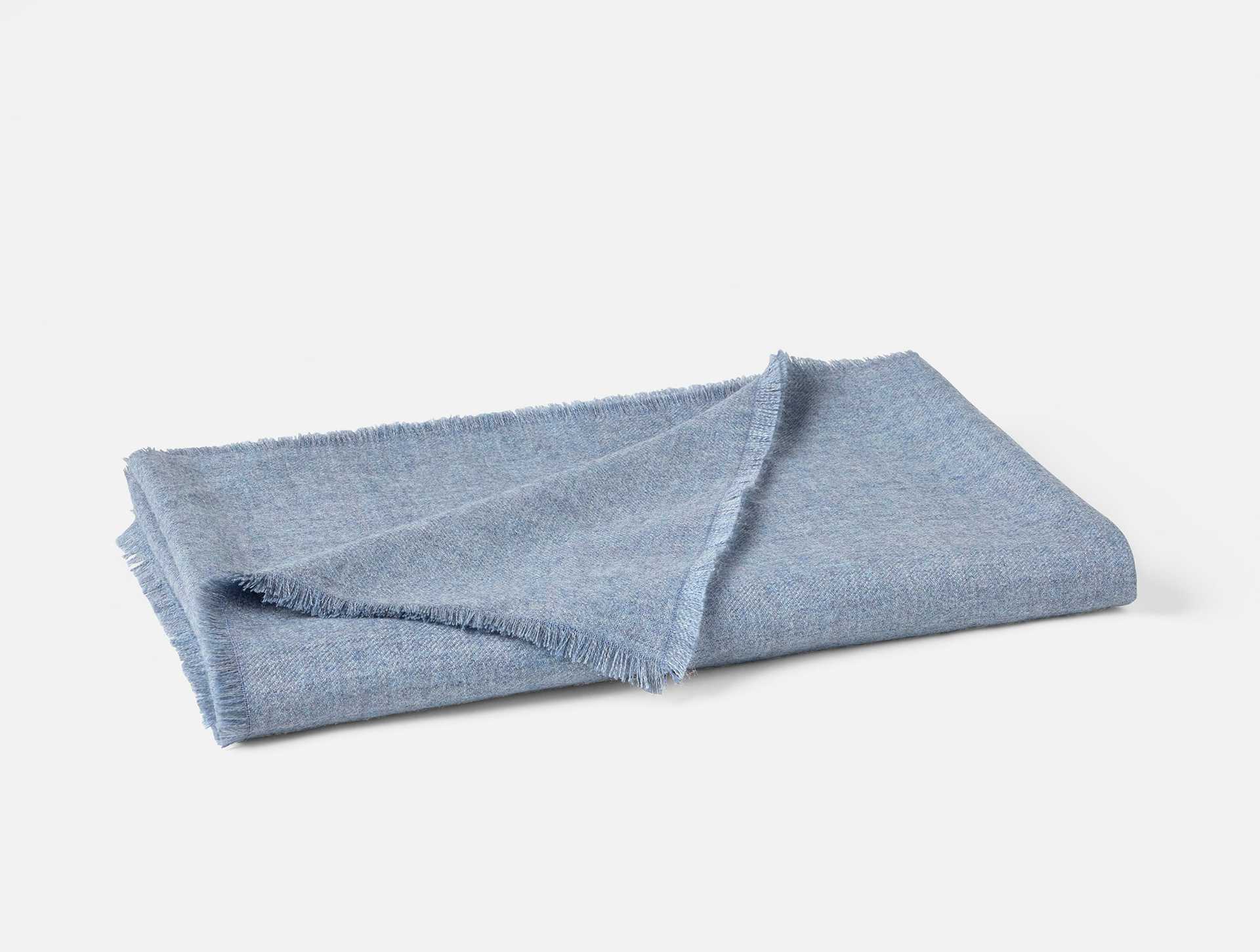
The name points to a material story as well as a design one. Full Circle combines recycled cotton with organically grown cotton, and its brushed finish adds softness while bringing out the character of the woven surface. Recycled yarn can create small variations in color across the fabric, giving the blanket a gently nuanced appearance rather than a perfectly uniform one. Those features aren’t just decorative details. They help explain how the blanket looks and feels, and they offer useful clues about how to care for cotton textiles over time.
For anyone comparing recycled cotton bedding, a closer look at fiber content, finishing and washing guidance can make the difference between choosing a piece that simply catches the eye and choosing one that fits daily life. The details are approachable once you know what to look for.
What recycled cotton brings to the fabric
Recycled cotton is cotton fiber recovered from existing material and put back into use in a new textile. In the Full Circle blanket, the material blend is listed as 52% recycled cotton from Coyuchi’s 2nd Home program and 48% organic cotton. The two fibers are brought together in a woven blanket, with the recycled portion helping keep reclaimed cotton in circulation instead of treating it as material with no further use.
That blend is also a reminder that “recycled cotton” describes one part of a fabric’s composition, not the entire story. The balance of the fibers, the way they are spun and woven, and the finish applied to the textile all contribute to its final character. Here, organically grown cotton accompanies the recycled fibers, while the brushed finish influences the feel of the surface.
Recycled yarns may show slight differences in shade. That variation can be a natural outcome of the fibers’ previous lives and of how recycled material is processed. Rather than reading every tonal shift as a flaw, it can be helpful to see it as part of the textile’s visual texture. The blanket’s woven patterns and surface character work alongside those subtle color changes, creating a relaxed look that can sit comfortably in a layered bedroom or living room.
A material choice like recycled cotton is not a guarantee that every product has the same environmental profile or performance. For an informed view, check the precise fiber percentages, any certifications listed for the particular textile, and its care instructions. In this case, the defining details are the stated recycled and organic cotton blend, a brushed finish and machine-wash care guidance.
Why brushing changes the feel
A woven blanket can be smooth, crisp, nubby or softly textured, even when it is made from the same basic fiber. Finishing helps shape that difference. Brushing gently raises fibers at the fabric surface, creating a softer hand and a slightly more tactile appearance. On Full Circle, the brushed finish adds softness to the woven patterns and textures, making the blanket feel more inviting to touch.
The effect is easy to imagine: instead of a surface that feels completely flat, the fabric has a subtle softness that catches your hand. It can also make patterns and texture seem more pronounced because the surface is less sleek and uniform. The finish doesn’t change the blanket into a different fiber; it changes how the woven cotton presents itself.
Brushing should not be confused with padding or a thick pile. It is a surface treatment, and its presence alone doesn’t tell you how heavy or warm a blanket will feel. Weight, weave, fiber blend and room temperature all matter. Full Circle is described as an oversized blanket, but the word “oversized” speaks to its generous coverage rather than automatically indicating a particular level of warmth.
That distinction is useful when planning how to use it. A brushed cotton blanket can add a comfortable layer to a bed or sofa, while its visual texture brings depth to a space. If you’re choosing a blanket primarily for warmth, consider how it will be layered and whether its weight suits the season. If you’re seeking a soft surface and an easy-to-style woven look, the finish may be just as important as the fiber label.
Reading the woven texture and color variation
The Full Circle blanket combines a brushed finish with woven patterns and textures. That combination gives the fabric more visual interest than a plain, flat surface: the weave provides structure, while brushing softens the surface and draws attention to its character. Recycled yarn can also create color variation, so the finished fabric may have a subtly mixed appearance.
In a room, those details can help a blanket work as both a functional layer and a finishing touch. A tonal, textured blanket can sit alongside smooth sheets, a simple duvet cover or upholstery without needing a strong print to stand out. The small differences in color can make it easier to pair with other pieces, because the fabric may echo more than one shade in the surrounding palette.
Try folding a blanket in thirds at the foot of a bed, or laying it loosely over the back of a sofa so its texture remains visible. In a reading corner, it can be kept within easy reach on the arm of a chair or folded in a basket. These are straightforward styling choices, but they let the material do some of the work: the weave adds pattern, and the brushed surface gives the arrangement a softer look.
Natural-looking variation also changes expectations. If you prefer every part of a textile to appear exactly identical, a recycled yarn with subtle color shifts may not be your ideal aesthetic. If you enjoy a surface with gentle tonal movement, that very variation can be part of its appeal. Either way, it is helpful to assess the fabric as a whole rather than expecting each section to look machine-uniform.
How to care for brushed cotton bedding
Care is where material information becomes practical. The Full Circle blanket’s listed instructions are to machine wash cold on a gentle cycle with like colors, tumble dry low and remove promptly, with a warm iron if desired. Following the product’s own instructions is the best starting point; cotton blends and finishes can differ, so advice for another blanket may not apply.
Cold water and a gentle cycle are a sensible match for a woven cotton blanket with a brushed finish. They help avoid unnecessarily harsh treatment during routine washing. Washing with like colors is particularly useful when a textile has visible tonal variation or when it is new: separating similar shades reduces the chance of unwanted color transfer between pieces.
A few small habits can make laundry day easier:
- Check the care label before washing, especially if the blanket has decorative edges or other construction details.
- Use the recommended gentle cycle and cold water rather than choosing a more aggressive setting by default.
- Wash with similar colors and avoid crowding the machine so the textile has room to move.
- Use low heat for tumble drying, then remove the blanket promptly as directed.
- If ironing is needed, follow the stated warm-iron guidance and test an inconspicuous area if you are unsure.
- Store the blanket clean and fully dry, folded in a dry place between seasons.
Prompt removal from the dryer helps prevent a blanket from sitting in a warm, compressed bundle after the cycle ends. Once removed, give it a gentle shake and fold or drape it. Avoid assuming that extra heat will make cotton feel softer or dry faster without consequences: the specified low setting is the safer guide for this particular textile. If a care label differs from general advice, follow the label.
Keeping softness and texture in good shape
A brushed finish is part of the blanket’s feel, so considerate handling is worthwhile. Regular washing is normal for a blanket used at home, but washing more often than necessary may add avoidable wear. Let use guide the schedule: clean it when it needs cleaning, and follow the care instructions rather than treating every textile as if it requires the same routine.
When laundering, keep the load balanced and avoid packing the drum tightly. A blanket needs enough space to rinse and move through the cycle. If the washer is too small for the item to move freely, a larger-capacity machine may be more appropriate. This is especially worth considering for an oversized blanket, where bulk can make a routine wash less straightforward.
The listed care guidance calls for a low-temperature tumble dry. If you prefer to reduce dryer use, consult the product’s full care label before choosing an alternative drying method. Whatever method is permitted, make sure the blanket dries completely before storing it. Damp storage can leave cotton smelling musty and is best avoided.
The finish may change gradually with use and laundering, as happens with many household textiles. Gentle care cannot freeze a fabric in its brand-new state, but it can help avoid rough treatment that may shorten its useful life. Avoid bleach or harsh cleaning treatments unless the care instructions explicitly allow them. For a spot or spill, address it promptly and choose a method suitable for the fabric rather than scrubbing vigorously at the brushed surface.
Everyday uses for an oversized cotton blanket
Oversized coverage can make a blanket more flexible around the home. On a bed, it can be folded at the foot for an extra layer or spread across the top to add texture. On a sofa, it can be draped over the back or arm and pulled down when the room feels cool. A generous blanket may also be more comfortable for sharing, depending on the furniture and the way you like to lounge.
The blanket’s brushed cotton surface and woven character suit relaxed settings, but it need not be reserved for a single season. In warmer weather, it can remain folded within reach as a light extra layer; in colder months, it can be combined with other bedding or throws. Remember that warmth depends on the complete arrangement, including the room, your bedding and personal comfort—not simply on the word “cotton.”
Its texture also lends itself to simple room styling. Pair it with smooth bedding to create contrast, or use it with other woven textiles for a more layered effect. If your room already has a busy pattern, the blanket’s subtle tonal shifts may offer texture without adding another bold motif. If the room is mostly neutral, the woven surface can keep the palette from feeling too plain.
A closer look at Full Circle
Coyuchi’s Full Circle Recycled Cotton Blanket brings these elements together in one piece: a blend of 52% recycled cotton and 48% organic cotton, a woven construction, a brushed finish and color variation created by the recycled yarn. The oversized design is described as made to accommodate regular washing and wear, while the care guidance specifies a cold, gentle machine wash with like colors and low-temperature tumble drying.
Taken together, those details tell a useful story without needing grand claims. Recycled cotton contributes to the fiber blend; organic cotton makes up the remainder; brushing influences the hand and appearance; and the weave gives the surface its structure. The care directions provide a clear routine for household use. For someone who wants a soft, textured blanket with material details they can understand, those are the particulars to weigh.
It is also worth keeping the limits of a product description in view. A fiber blend and finish can help explain a textile, but they cannot predict exactly how every person will experience its weight, softness or warmth. Room conditions, individual preferences and the way a blanket is used all play a role. Reading the specifications alongside the care label is a practical way to decide whether it fits your home.
Questions to ask before choosing recycled cotton bedding
A few simple questions can help turn a quick glance at a product description into a more confident decision:
- What is the exact fiber blend? Look for percentages, not just a broad material name.
- How does the finish affect the feel? Brushing can add a softer surface, while the weave shapes texture and drape.
- Will the blanket fit the intended use? Consider where it will live, how much coverage you need and how it will layer with existing bedding.
- What does the care label require? Check wash temperature, cycle, drying method and any restrictions before bringing a textile into a regular laundry routine.
- Do you like subtle variation? Recycled yarn may show tonal differences that contribute to the fabric’s character.
These questions apply well beyond one blanket. They can help compare recycled cotton bedding with other cotton throws and blankets, especially when product descriptions use similar words but refer to different blends, weaves or finishing methods.
The takeaway: comfort is in the details
Coyuchi’s Full Circle design shows how a handful of textile choices can shape an everyday blanket. A recycled-and-organic cotton blend gives the fabric its stated material composition. A brushed finish adds softness and highlights the woven texture. Recycled yarn can introduce quiet color variation. And a clear care routine helps guide regular washing and drying.
None of those details has to be complicated. The useful question is how they fit together for your home: whether you enjoy a softly textured surface, whether the blanket’s generous coverage suits your bed or sofa, and whether its washing instructions work with your routine. A blanket used often should feel comfortable to live with, not just attractive on first impression.
When you understand what recycled cotton, brushing and weave each contribute, choosing becomes less about buzzwords and more about the experience you want from a textile. That is the appeal of thoughtful everyday bedding: it offers comfort you can feel, character you can see and care guidance you can actually use.